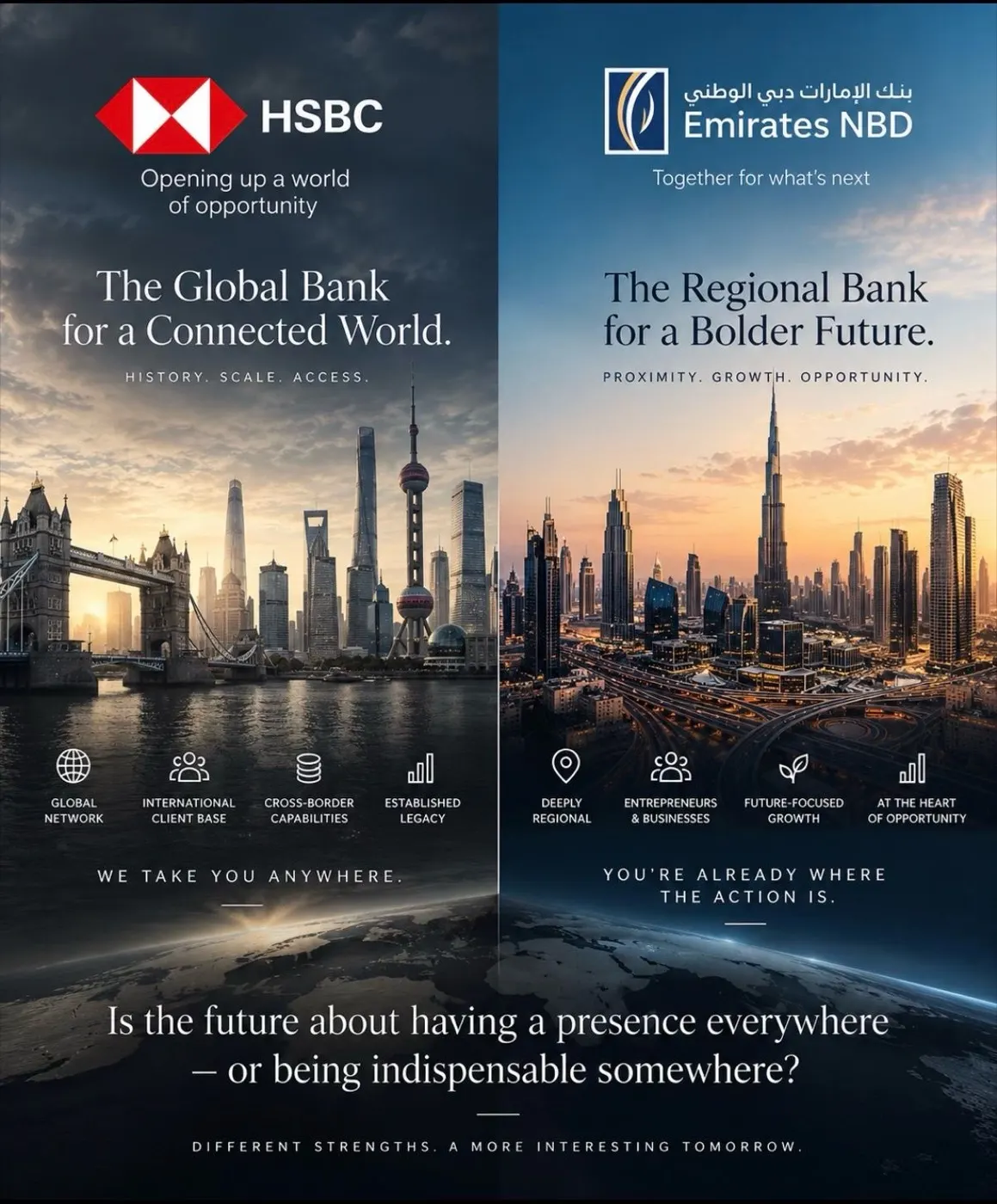

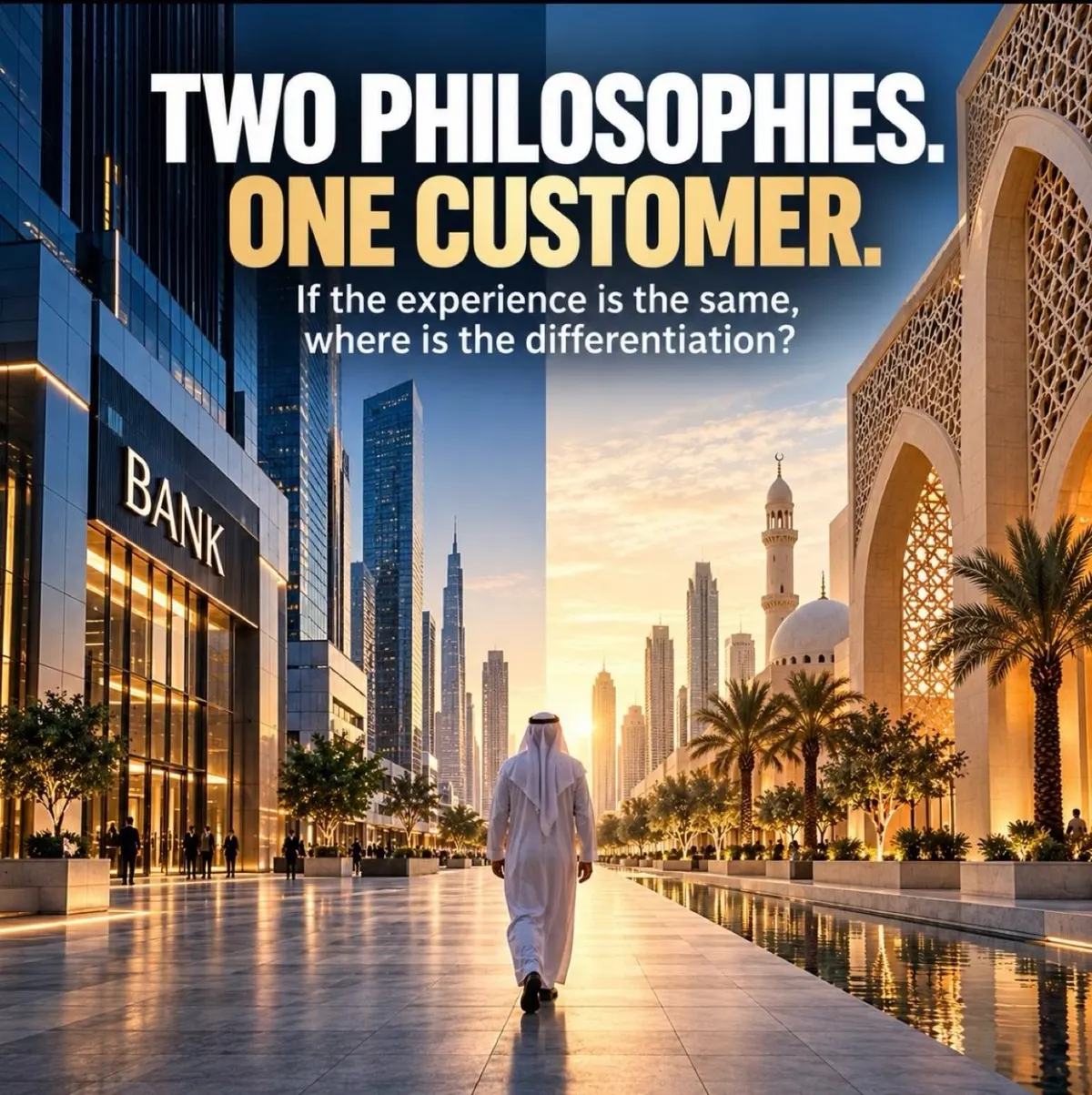
In the previous post, we examined Global V Local Banking. Today we focus on philosophy.
A different operating model philosophy, but does it translate and deliver a different brand experience!
Most banks compete on similar propositions. Better rates, faster approvals, smart technology and greater convenience.
A philosophy must become a behaviour, which then becomes an experience, which creates value and ultimately must influence preference.
However, Islamic banking possesses something potentially far more powerful. A distinctive philosophy that competitors cannot simply replicate.
The strategic challenge for practitioners is centered around the thought that if Islamic and conventional banks increasingly deliver similar products, pricing and customer experiences, does the customer truly recognise the difference?
Here then is where the real opportunity lies. Differentiation is not what makes you different. It is what makes that difference valuable to the customer.
Islamic banking has an opportunity to move beyond Sharia compliance as a product credential and translate its underlying principles into a distinctive customer experience.
A philosophy must become a behaviour, which then becomes an experience, which creates value and ultimately must influence preference.
This is what is commonly referred to as the Belief-to-Value Test.
The lesson extends well beyond banking.
Many brands possess powerful sources of differentiation but fail to convert them into meaningful competitive advantage.
The greatest brand asset is sometimes the one hiding in plain sight.
And here is my question to Islamic banking leaders, “If you removed the words “Islamic Banking” from your brand, would customers still recognise the difference?”