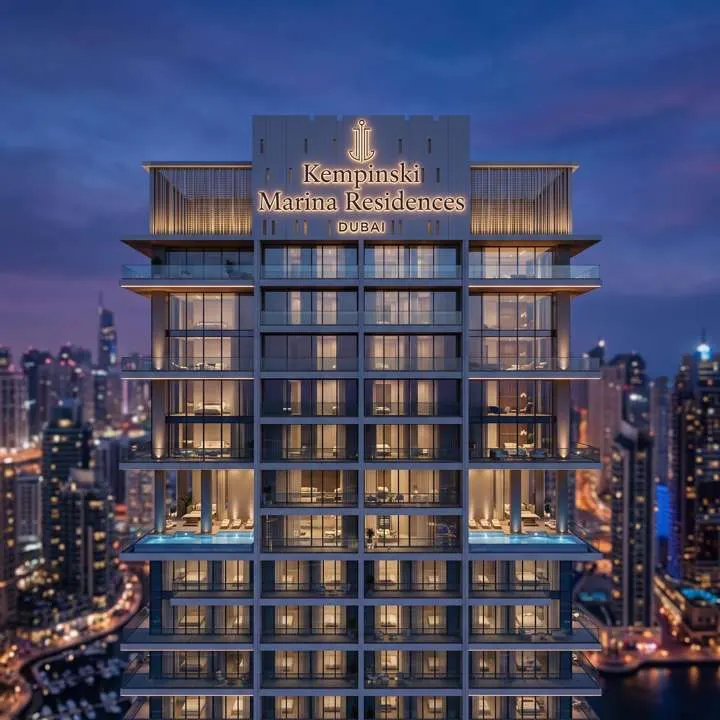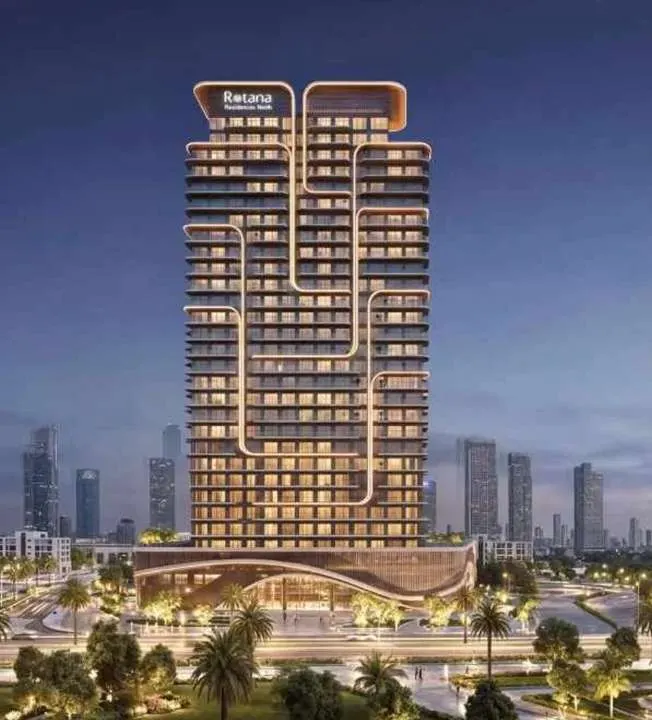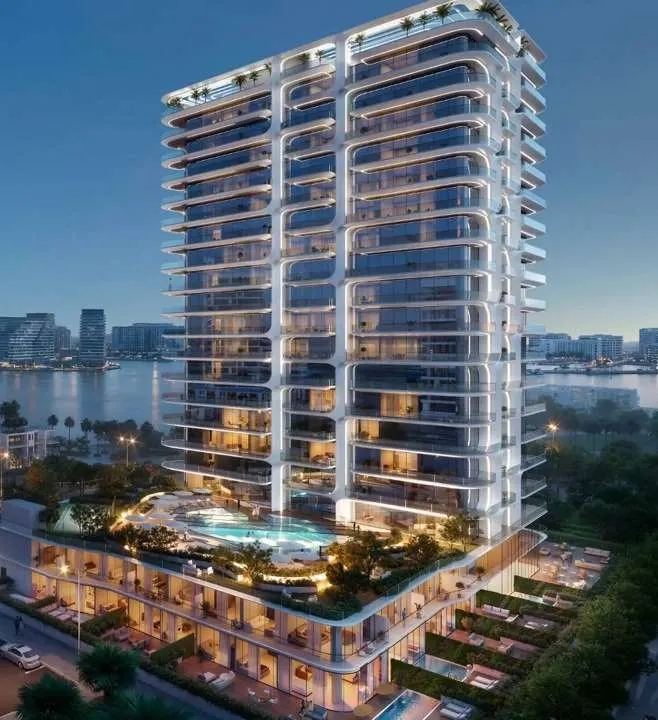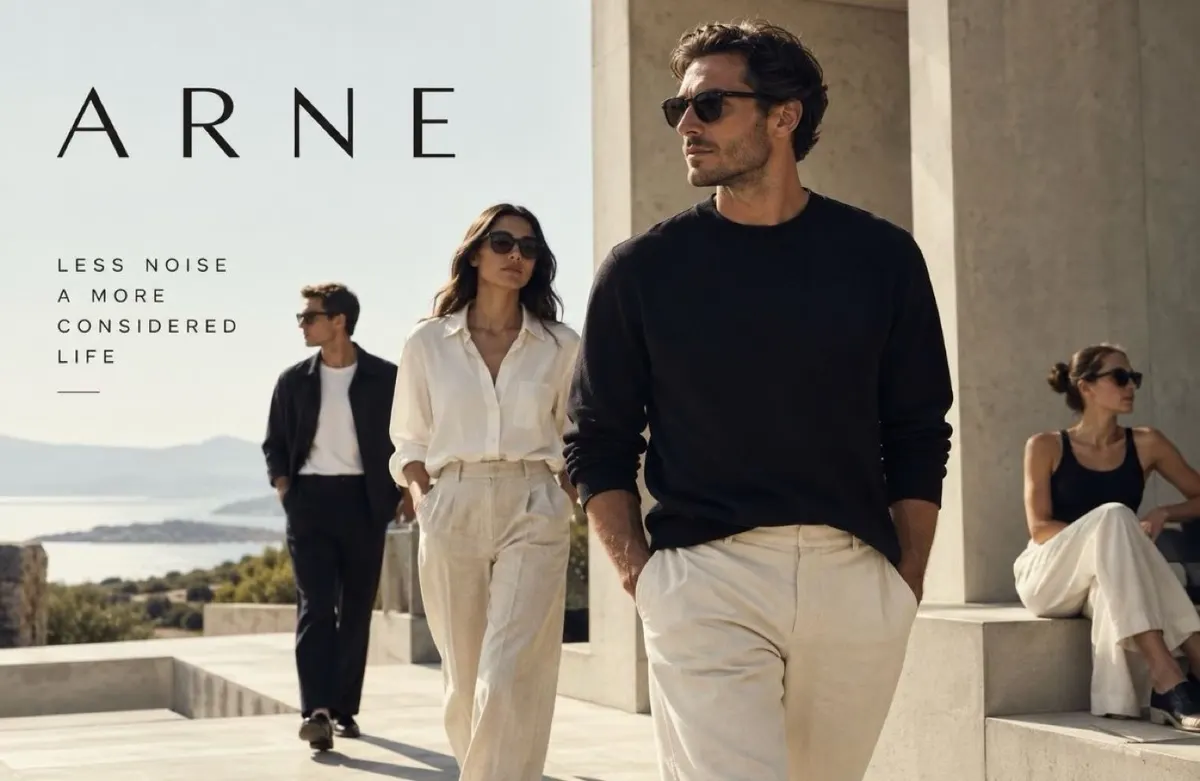

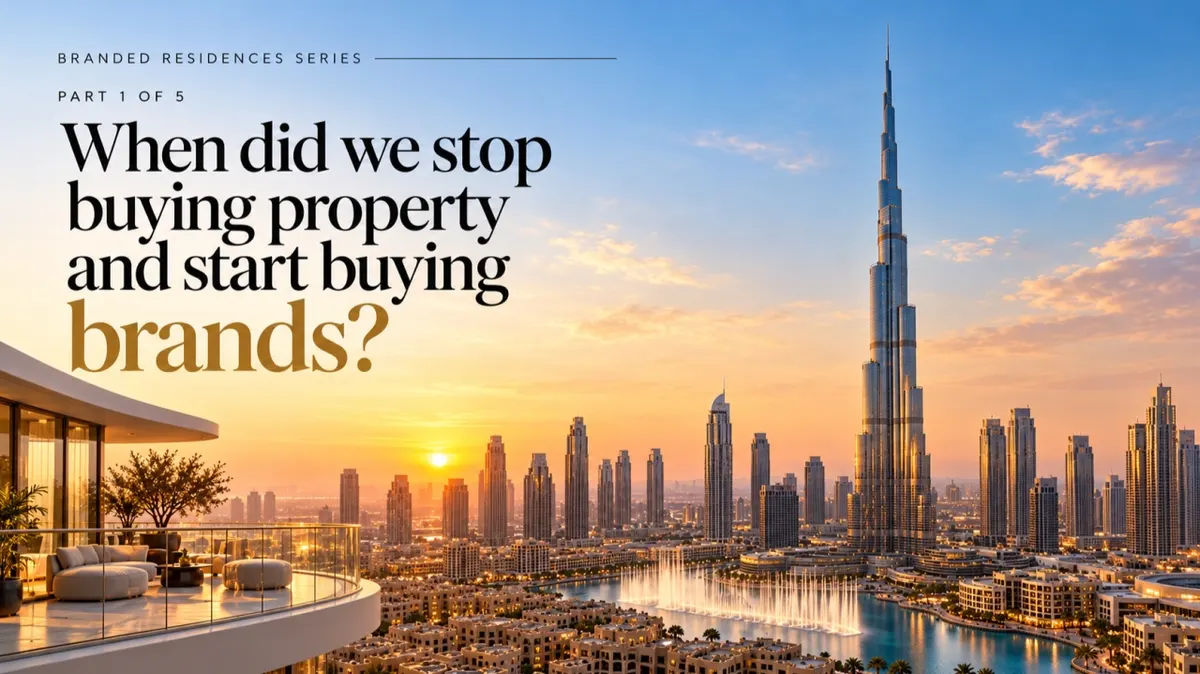
When did we stop buying property and start buying brands?
There was a time when the value of residential real estate was defined by three things.
Location. Location. Location.
A famous name on a building is not a strategy.
Then something changed. Developers began recognising that the most valuable asset in a residential development wasn’t necessarily the architecture, amenities or even the address.
It could be the brand, and I have had the privilege of experiencing this transformation first-hand.
FROM HOSPITALITY TO OWNERSHIP
The origins of branded residences stretch back almost a century, with New York’s Sherry-Netherland in 1927 often cited as an early example.
The modern model accelerated when hospitality operators began extending their service propositions into residential ownership.
The strategic insight was compelling. Why should the exclusivity, service standards and emotional connection associated with a luxury hotel end when a guest checked out?
Why not make that experience permanent?
The hotel experience became a residential promise.
MY PERSONAL CONNECTION — DUBAI, 2007
In 2007, as Global Executive Director – Sales & Marketing at Emaar, I was directly involved in the launches of The Address Hotel & Residences and The Armani Hotel & Residences in Dubai.
These were defining experiences in my understanding of how brands create value in real estate.
The Address represented an opportunity to establish a distinctive hospitality proposition and extend it into residential ownership.
Armani represented something different.
The translation of a globally recognised fashion and lifestyle philosophy into a residential experience.
Two different brand propositions. Two different sources of brand equity, with one powerful commercial principle.
We weren’t simply selling residences. We were selling the meaning, credibility and expectations associated with the brand.
The experience reinforced a lesson that has shaped my approach to destination development and brand strategy ever since.
A brand can fundamentally change how customers perceive, evaluate and ultimately value a physical asset.
FROM PRESTIGE TO PERSONAL IDENTITY
What began predominantly within luxury hospitality subsequently expanded into fashion, automotive, design and lifestyle.
Brands such as Armani, Bulgari and Porsche Design demonstrated that residential branding could represent something beyond service.
It could communicate personal identity, aspiration, taste and status.
A residence was no longer simply somewhere to live. It became an expression of who you were, or who you aspired to become, and this fundamentally changed the competitive dynamics of luxury residential development.
THE PRACTITIONER’S PERSPECTIVE
Nearly two decades after those Emaar launches, my conviction remains unchanged.
A branded residence is not necessarily a better residence. It is a residence with a different value equation.
The right brand can accelerate trust, establish differentiation, reduce perceived purchasing risk and support a pricing premium.
But here is the distinction developers must understand.
Brand recognition creates attention.
Brand relevance creates desire.
Brand delivery creates enduring value.
A famous name on a building is not a strategy, and borrowed prestige without a differentiated customer experience is not sustainable brand equity.
The real evolution of branded residences is not about the increasing number of luxury names entering the sector. It is about the transition from selling physical assets to creating branded propositions that customers are prepared to value differently.
The question is no longer whether a brand can command a premium. It is whether the brand creates sufficient enduring value to deserve one.
That is where the real strategic conversation begins.
NEXT — PART 2: THE POWER OF BRAND ASSOCIATION
“Why do developers borrow a reputation they haven’t built?”